A Morning Question Siri Could Soon Answer
Picture the scene. You wake up, reach for your iPhone, and ask a simple question: “How did I sleep last night?”
Today, Siri would probably shrug. It might open the Health app for you, or offer a generic answer. But it cannot actually look at your sleep data, understand it, and tell you what it means.
That may be about to change. Hidden inside the first beta of iOS 27.3, Apple’s next iPhone update, researchers have found signs that Siri AI is preparing to read your Health app — your sleep, your workouts, your medication logs, and much more.
Apple has not announced the feature. It is switched off, buried in code, and could still be changed or delayed.
But the clues are specific enough to take seriously. They point to the biggest expansion of Siri’s powers since the assistant was rebuilt.
Apple is already finding new ways to charge for AI — it began selling $50 Intelligence Usage Packs just this week — so a more capable Siri is clearly central to its plans.
What the iOS 27.3 Beta Actually Reveals
Apple released the first developer beta of iOS 27.3 in early November, with a stable release expected in December. Within days, an X user known as pdfu (@itspdfu) dug into the beta’s code and found something new.
The beta contains disabled feature flags linking Siri to the Health app. One is called IF/HealthSearch. According to Gadgets 360, which reported the discovery on November 11, it suggests Siri will be able to retrieve recent readings and historical summaries across 92 HealthKit data types.
That is not a small list. It covers almost everything the Health app tracks, from the obvious to the deeply personal. A second flag, IF/HealthSnippets, hints at something more visual: Siri could show custom charts and summaries of your health statistics instead of just reading numbers aloud.
None of this is switched on yet. Feature flags are how Apple tests ideas quietly, and some never reach the public. But Apple rarely builds this much plumbing for a feature it has no intention of shipping.
92 Health Data Types, From Sleep to Medication
So what exactly could Siri look up? The leak points to dedicated queries for Activity Rings, individual workouts, workout summaries, readiness information, sleep summaries, and medication schedules and logs.
Siri may also be able to retrieve details about Health Age and health assessments in the redesigned Health app, which returns in iOS 27.3 after being pulled from the final release of iOS 27.2.
In practice, that could mean asking your phone how many workouts you logged this week, whether you took your evening medication, or how your sleep has trended over the past month — and getting a real answer, not a shortcut to another screen.
One detail stands out. Vitals are not included in the list of queries found so far. That may simply mean the feature is unfinished, or that Apple is deliberately keeping the most sensitive measurements out of Siri’s reach for now.
Either way, the direction is clear. Siri is moving from a voice that sets timers into an assistant that understands the state of your body.
HealthSnippets: Your Health Data, Visualised
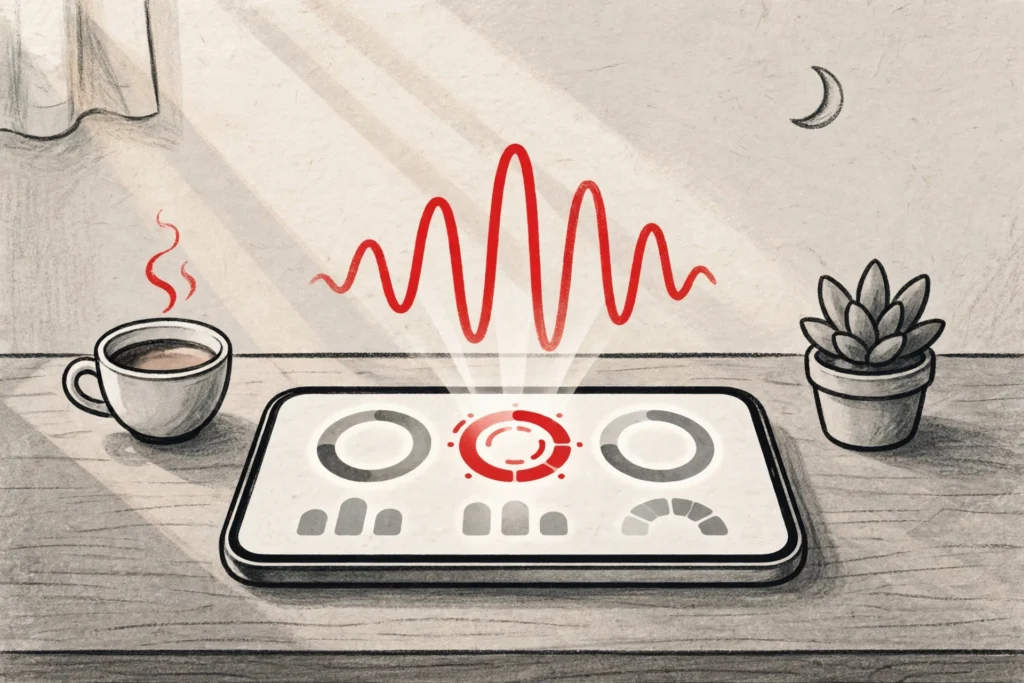
The second flag, IF/HealthSnippets, may matter just as much as the first. According to the report, it could let Siri present health statistics through custom visualisations — charts for Activity Rings, workouts and sleep, shown right inside the conversation.
That fits how Siri AI already works. The rebuilt assistant, which arrived with iOS 27, keeps a running log of conversations like a chat app, instead of clearing each exchange when it ends.
A health answer that arrives as a small chart, with the numbers in context, would feel very different from a spoken sentence. Imagine asking how your training is going and seeing your last four weeks of workouts laid out in front of you, with Siri pointing out the pattern.
Why Apple Is Doing This Now
The timing is no accident. iOS 27.3 is shaping up to be Siri’s biggest update since the assistant was rebuilt, and health is only one part of it.
The same beta opens Siri AI to third-party developers for the first time. Through a system called App Intents, any app will be able to bring its content and actions directly into Siri, so you could check a delivery, book a table or place an order without opening the app at all.
Apple is also adding a new Skills feature, which lets Siri combine several actions into a single experience for more complicated requests. And Siri AI is gaining support for Traditional Chinese, Vietnamese, Turkish and Norwegian.
Health fits naturally into that picture. If Siri can act inside any app, it makes sense for it to understand the app that holds your most personal data.
The question is not whether Apple wants Siri to know your health — it is how carefully it handles that knowledge. That question matters even more as Apple pushes its AI into new markets, with Apple Intelligence only recently clearing regulatory registration in China.
The Privacy Question Nobody Can Dodge
Health data is different from other data. A calendar entry is private; a medication log is intimate. Apple knows this, and it has spent years building its privacy reputation on the promise that sensitive information stays on your device.
That promise will be tested here. For Siri to answer a question about your sleep, it needs to read your Health database. Apple has not said how that will work — whether the processing happens entirely on the iPhone, what leaves the device, or what controls users will get.
The company does have a head start. iOS 27.2 recently added a new Settings menu that lets users block Siri AI from reading specific apps, replacing a fiddly setup that once required disabling several settings per app or switching Siri AI off entirely.
Expect a similar control for Health. The most likely design is an opt-in switch, probably per data type, so you could let Siri see your workouts but not your medication. Until Apple says so, though, that is an educated guess, not a fact.
The contrast with Google is worth noting. Just last month, Google quietly changed its Gemini privacy terms so that a subset of connected-app data, including Gmail and Drive files, can be reviewed by human reviewers. Apple will want its own health feature to look very different from that.
What Else Is Coming in iOS 27.3
Health is the headline, but iOS 27.3 carries plenty more. The redesigned Health app returns with new dashboards for sleep, fitness, heart rate and vital signs, plus a Healthy Age feature that compares your health with typical measurements for your age.
There is also a Gym Strength experience with more than 350 exercises and personalised four-week workout plans, built around your goals, equipment and training days.
Safari gets adaptive dark mode for websites that lack their own, plus vertical tabs and the ability for Siri to organise, move and close open tabs. Apple Music finally gains full landscape mode, and StandBy comes to standard iPhones.
Put together, iOS 27.3 looks less like a routine point update and more like the moment Apple’s rebuilt Siri starts to feel like a genuinely useful assistant.
When You Will Actually Get It
The honest answer is: not yet, and maybe not in December. The first iOS 27.3 beta is available to registered developers now, with a public beta expected to follow. The stable release is anticipated in the first half of December.
But the health features are disabled in the beta, and Apple has not announced a timeline for either HealthSearch or HealthSnippets. They could arrive with the December release, slip to a later beta, or be held back entirely if Apple is not satisfied with how they work.
That caution is probably wise. A voice assistant that can read your health data is a powerful idea, and a risky one. Get the privacy wrong, and it becomes a scandal. Get it right, and it becomes the kind of feature people wonder how they lived without.