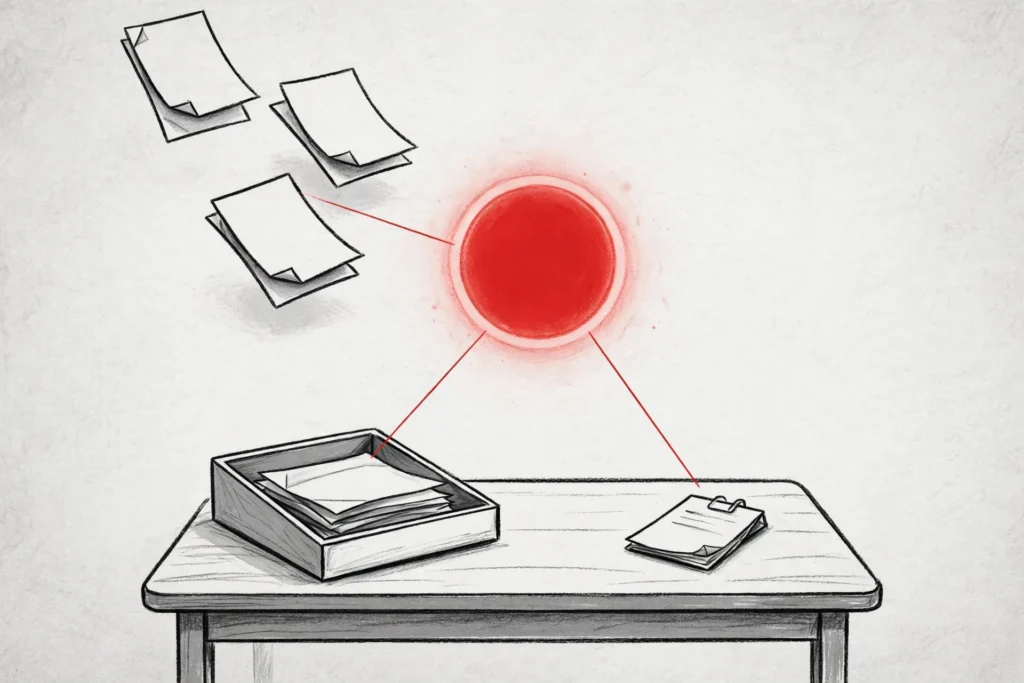
It’s 9:04 on a Tuesday morning. Your inbox already holds forty unread messages, a shared document is waiting for your edits, and a meeting starts in twenty minutes. Somewhere in that pile is the one email that actually matters today — and the one task you promised to finish yesterday.
That messy middle of the workday is exactly where Superhuman wants its AI assistant to live. On November 19, the company formerly known as Grammarly announced a major expansion of Go, its proactive AI assistant, pushing it into every corner of its productivity suite — Docs, Mail, and the meeting notetaker Fathom.
The announcement came at Superhuman Assembly, the company’s first user conference, held in San Francisco, according to SiliconANGLE. It is the biggest move yet in Superhuman’s transformation from a writing helper into a full AI productivity suite, a journey that began when Grammarly rebranded as Superhuman in October 2025.
Go has already found an audience. According to Superhuman, the assistant has passed one million monthly active users and is growing 20 percent month over month. The new expansion is a bet that those users want an assistant that follows their work across apps, not one that waits inside a chat window.
What the New Superhuman Go Assistant Actually Does
At the centre of the announcement is a new personal assistant inside Go. It is designed to sit alongside you through the workday, flagging priorities, suggesting next steps, and drafting messages and documents in your own writing style.
The assistant learns how you work by picking up context across the apps you connect. It watches your schedule and your inbox, spots what needs attention, and prepares drafts before you ask. Superhuman says the user still approves every action — the assistant proposes, you decide.
It also works inline, right where your cursor is, in the same way Grammarly’s suggestions always have. The idea is that help should arrive inside the document or email you are already working on, rather than forcing you to switch to a separate AI app.
Superhuman Go in Docs: Agents That Work While You’re Away
The most ambitious part of the update is what happens inside Superhuman Docs, the company’s AI-native workspace for documents, spreadsheets and workflows. Go agents now work there natively, and you can hand them jobs the way you would hand work to a colleague.
You can share a document with an agent, mention it to delegate a task, or set up triggers that run even when nobody has the document open. A product plan that changes could prompt an agent to update the rollout document on its own.
Customer feedback landing in a table could be summarised and added without anyone asking twice. The agents can run in the background, quietly keeping documents current while the team moves on to other work.
Every agent action is logged, and the document’s version history shows what changed and who authorised it. That paper trail matters, because an agent that edits shared documents can spread a mistake quickly if nobody is watching. The audit trail gives teams a way to trace it back.
Docs agents arrive in open beta on December 1, 2026, for self-serve customers, with enterprise customers following in the first quarter of 2027. Until then, the feature remains a promise rather than something you can try.
Superhuman Go in Mail: Your Inbox Gets an Agent
Mail gets the other half of the upgrade. Go will replace the existing Ask AI experience in Superhuman Mail and turn the inbox into a place where work actually gets done, rather than just read.
From the inbox, Go can triage messages, search across more than 100 connected tools, and run cross-tool workflows. It can draft a reply using context from meeting notes or internal documents, create a support ticket, or update a customer record — all without leaving the email you started from.
Drafts it prepares are marked as Auto Drafts, ready for you to review and send. Other automations may run under different permissions, so teams will want to check exactly which actions need a fresh approval before they connect a production inbox.
The new Mail features enter beta this month, with general availability planned for early 2027. The Mail upgrade also brings a new home screen, called Mail Home, and works across both Google and Outlook accounts.
For people who live in their inbox, this is the most immediately useful part of the whole announcement. An inbox that triages itself, finds the context you need, and drafts the reply is a very different tool from one that only sorts messages into folders.
20 New Partner Agents Join Superhuman Go
None of this works alone. Superhuman also opened the Go platform SDK to partners and customers, so outside companies can build agents that show up everywhere Go does. More than 20 new partner agents will roll out over the coming weeks.
The first names include Legora for legal work, Databricks for data and metrics, Amplitude for product analytics, and DeepL for translation. Blackboard, Apollo, Bitly, Gamma and Fidelity Labs’ Saifr round out the list.
Each one brings a specialised skill into the same assistant, instead of living in a separate app. A product-usage question can go to the Amplitude agent, a translation to DeepL, and a data question to the Databricks agent — all from inside the document or email where the question came up.
Developers build these agents as Packs, with instructions, tools and routines, and Superhuman hosts and runs them. The SDK is generally available now, which means the partner list should keep growing well beyond the first twenty.
Fathom Brings Your Meetings Into Superhuman Go
Meetings are the third leg of the update. Superhuman bought the meeting notetaker Fathom in September 2026, and it is now woven into Go. Fathom captures video, screen sharing and audio without sending a bot into the call, and its notes connect directly to the assistant.
That connection turns a spoken promise into a draft. When someone commits to a follow-up in a meeting, Go can prepare it for review, drawing on the notes Fathom captured. It is a small workflow, but it is the kind of handoff that usually falls through the cracks between apps.
Why Superhuman Go Matters in the AI Agent Race
Superhuman is not alone in this race. Anthropic has pushed Claude into office work with its new office suite, and Databricks has turned Genie into an always-on AI coworker for enterprise teams. OpenAI, Microsoft and Google are all racing to put agents inside the tools people already use.
The shared bet is that the next useful AI interface is not a bigger chat window, but a coordinated layer across the work you already do. The company that gets there first wins the habit — the assistant you reach for without thinking, in the app you already have open.
There is also a gap Superhuman is trying to close. Citing Gallup’s May 2026 workforce survey, the company noted that 47 percent of American employees say their organisation has adopted AI tools, yet only 30 percent use them regularly, and just 15 percent use them every day.
Tools that sit outside the workflow, the argument goes, are tools people forget. An assistant that lives in the document, the inbox and the meeting notes has a better chance of being used than one that waits in a separate tab.
ElevenLabs made a similar workplace bet this month with ElevenAI, an app that listens to spoken conversations and turns them into notes and action items. The pattern is unmistakable: every AI company now wants to own the space between your meetings, your inbox and your documents.
When You Can Actually Use Superhuman Go
The honest caveat is timing. Most of the newly announced features are not generally available yet. The personal assistant rolls out over the next few months, with early access through the Superhuman Community. Partner agents start arriving now and keep coming over the following weeks.
Docs agents reach open beta on December 1 for self-serve customers, and enterprise customers wait until the first quarter of 2027. The new Mail features are in beta this month and reach everyone in early 2027. If you want to judge the assistant, those betas are the moment to watch.
Superhuman’s pitch is simple: less switching, fewer handoffs, and an assistant that already knows what you were working on. Whether Go can deliver that without tripping over permissions, privacy and plain mistakes is the test the next few months will settle — one document, one inbox and one meeting at a time.


