The Filing That Changes Everything
Picture a commuter on the Shanghai metro, iPhone in hand, asking Siri to summarise a long email before the next stop. For two years, that simple moment has been out of reach for Apple users across China.
The phone in their pocket could do it anywhere else in the world. In China, the same request met silence.
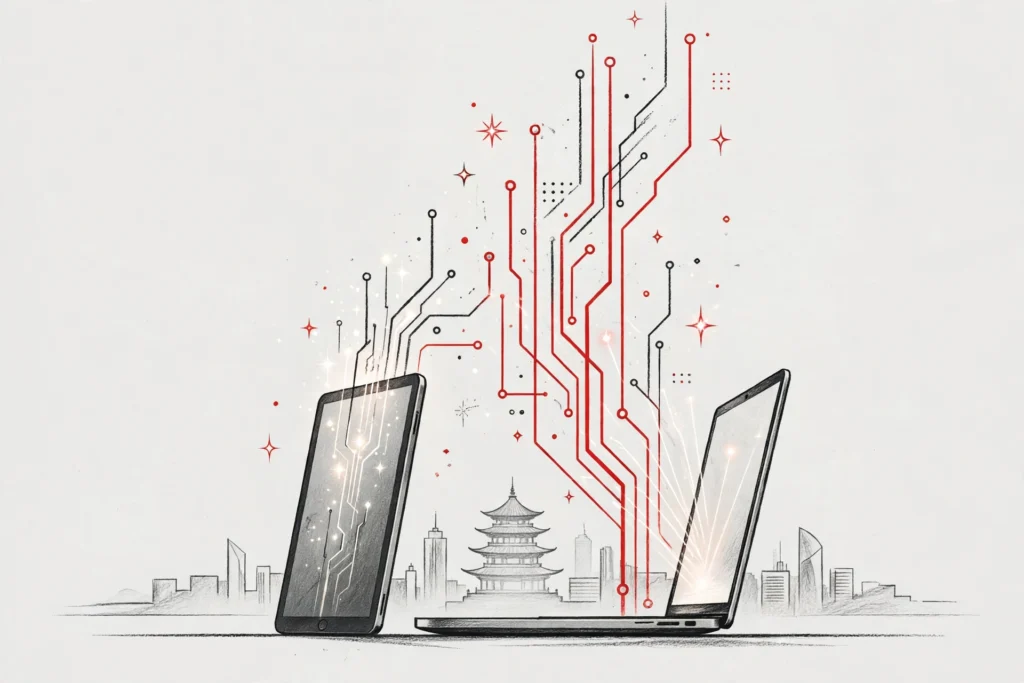
That silence is finally about to break. On November 9, Shanghai’s cyberspace regulator confirmed that Apple Intelligence has completed its regulatory registration for iPads and Mac computers in China, according to Reuters.
The filing extends the clearance Apple already secured for iPhones in July, and it clears the last major bureaucratic hurdle before the company’s AI features can reach Chinese users on tablets and laptops.
How Apple Intelligence China Will Work
China requires every generative AI service to register with the Cyberspace Administration before it can be offered to the public. The process is not a rubber stamp. Companies must file their models, pass security assessments and agree to content rules that govern what the AI can say and do.
Apple completed its first filing for iPhones on July 15. The new registration adds tablets and laptops to the list of approved device categories. In practical terms, that means Apple Intelligence is now registered for use across the company’s three main platforms in China: iPhone, iPad and Mac.
The features themselves will look familiar to anyone who has used Apple Intelligence elsewhere, but the engine underneath will be different.
In China, core generative tasks will run on Alibaba’s Qwen models rather than the OpenAI integration Apple offers in other markets. Apple is also working with Baidu on localisation for Chinese users.
That partnership is not optional. Chinese rules require generative AI services to run through domestically registered models, and Qwen is one of the country’s flagship systems. Apple confirmed the arrangement on October 31, when it announced the December launch window for iPhones.
Why Apple Needed Alibaba’s Qwen
The road to this filing has been long. Apple Intelligence launched in the rest of the world in late 2024, yet Chinese users have waited nearly two years for even a first taste of it. The delay was never about the technology. It was about the rules.
China’s regulatory framework treats AI as infrastructure that must be registered, reviewed and supervised before it touches the public. A foreign company cannot simply ship its own model into the market. It needs a local partner whose models are already approved, and it needs its own service to clear the same filing process.
Apple is reportedly the only foreign company to hold this clearance for its AI technology in mainland China. That fact says as much about the difficulty of the process as it does about Apple’s persistence. Other global tech giants have largely stayed out of China’s consumer AI market altogether.
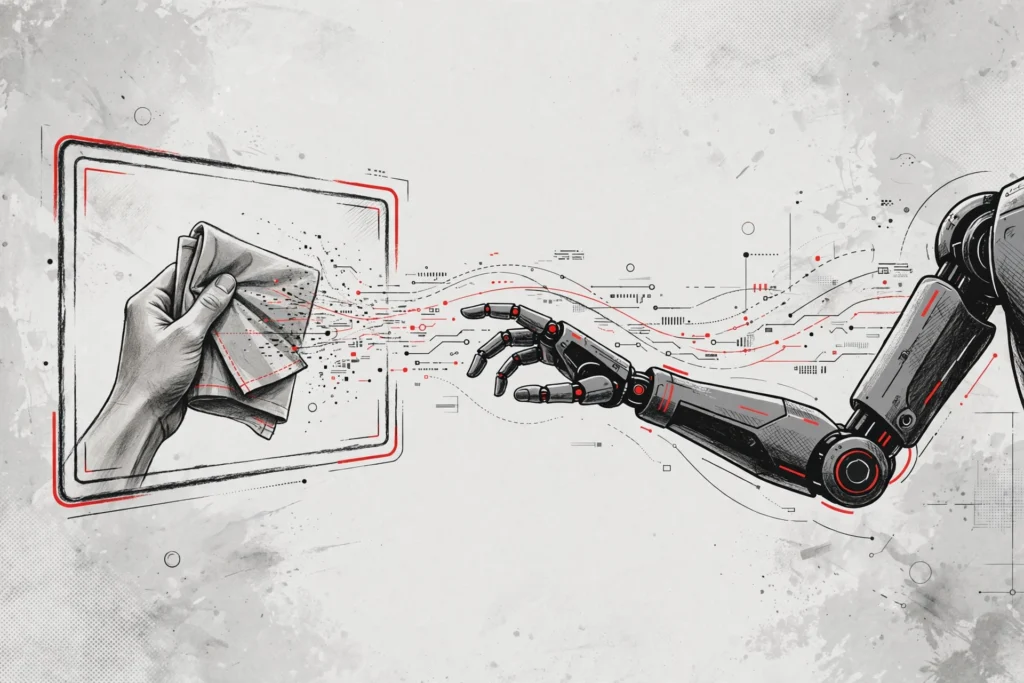
The Qwen deal gives Apple a way in. Alibaba’s model will power Siri, Writing Tools, Visual Intelligence and photo cleanup for Chinese users, while Apple’s own on-device models handle the tasks that never leave the phone.
Apple has said Alibaba is barred from using submitted user materials to train or improve its models, a pledge that matters in a market where data handling is under close scrutiny.
What Chinese Users Will Actually Get
The December rollout will be a curated subset of Apple Intelligence, not the full suite. Supported devices include the iPhone 16 and later, the iPhone Duo, the iPhone 15 Pro and Pro Max, and the iPhone Air. Users will need Simplified Chinese set as their device and Siri language.
The first wave includes live translation, custom emoji creation, notification summaries and a tool for removing unwanted objects from photos. Writing Tools will help users rewrite and summarise text, while Visual Intelligence will let them point a camera at something and ask questions about it.
What will not arrive in December is just as telling. The next-generation Siri features Apple announced at WWDC 2026, including the screen-awareness capability that lets Siri see what is on your display, are excluded from this first release. Those features are still awaiting additional regulatory approval.
Users will sign in either with an Alibaba Qwen account or through Apple’s own Apple ID integration. The choice is a small detail, but it hints at how carefully Apple has negotiated the balance between its own ecosystem and its partner’s infrastructure.
What Apple Intelligence China Means for Apple
China is Apple’s second-largest market, and the absence of its flagship AI features has been a real competitive problem. Local rivals such as Huawei, Xiaomi and Oppo have been shipping their own AI tools for years, and they have not been shy about pointing out the gap in Apple’s offering.
Google has been moving just as fast on its own phones, bringing Gemini Intelligence to the Pixel 10 in its November Pixel Drop. The pressure on Apple to catch up in China has only grown.
That gap may help explain why Apple moved so deliberately. A rushed launch that violated Chinese rules could have cost the company far more than a slow one. The July iPhone filing, the September network-access permits and now the November tablet and laptop registration show a company working through the system step by step.
Investors noticed. Apple’s shares ticked up in pre-market trading on Monday after the registration news broke, a small but telling reaction to a development that has been two years in the making.
The timing also matters for the wider AI race. While Apple was navigating China’s rules, competitors were building their own ecosystems. The December launch will not erase that head start, but it will finally put Apple in the game in the world’s largest smartphone market.
What Happens Next
The immediate milestone is December, when iPhone users in China should see the first Apple Intelligence features arrive with iOS 27.3. Developer testing that began on November 4 will shape how polished that launch feels.
For iPad and Mac, the question is timing. The registration is complete, but Apple has not said which software update will carry the features to those devices, or when. Watch for the next developer beta cycle: if iPadOS and macOS builds start showing the same China-specific features, a rollout is close.
Longer term, the bigger story may be the model itself. Reports in August said Apple is separately training a proprietary China AI model with Alibaba’s support, which would make it the first foreign company with its own approved foundation model in the country. Whether that model appears in iOS 27.3 remains unconfirmed.
For now, the filing is the news. After nearly two years of waiting, Apple Intelligence in China has moved from a promise to a registered, tested, dated reality. The commuter on the Shanghai metro may soon be able to ask Siri to summarise that email after all.