
Introduction to ChromeOS and Its Legacy
ChromeOS has been a significant player in the laptop industry, especially in education. Launched in 2011, the OS provided a lightweight, secure platform for students and professionals. Over the years, it gained a loyal following, even though it never overtook Windows or macOS. Now, with Google planning Aluminum OS, the future of ChromeOS is a hot topic.
Google’s Aluminum OS and the Timeline
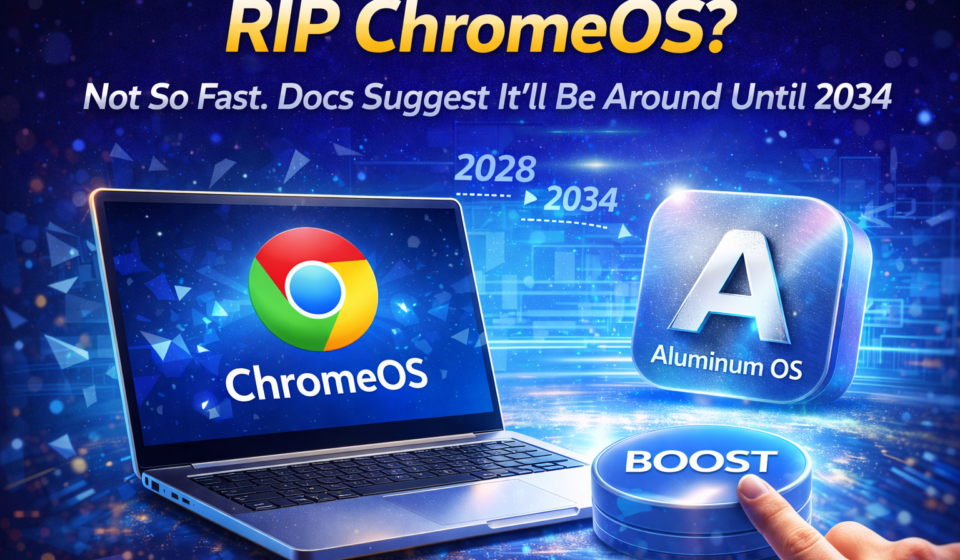
Google is currently developing Aluminum OS, a combined platform merging Android and ChromeOS. According to court documents, this new OS is expected to roll out fully by 2028. The transition will not immediately replace ChromeOS, as many older devices may not support Aluminum OS. Therefore, ChromeOS will continue receiving updates for existing devices.
ChromeOS 10-Year Support Commitment
One of the biggest reasons ChromeOS will remain is Google’s 10-year update commitment. All Chromebooks are guaranteed a decade of support from their launch date. For instance, devices released in 2024 will still receive updates until 2034. This ensures security and stability, which is particularly important in educational institutions and businesses.
Security Implications for Chromebook Users
Security is a critical factor for ChromeOS longevity. Without updates, devices risk vulnerabilities, as seen with Windows 10 after support ended. By continuing ChromeOS updates, Google protects users from malware and exploits. Students, educators, and professionals can safely rely on Chromebooks for years to come.
ChromeOS in Education and Workspaces
ChromeOS laptops have found their niche in classrooms and offices. Their lightweight design, long battery life, and easy-to-manage interface make them ideal for daily use. While Aluminum OS promises to expand functionality, ChromeOS’s simplicity ensures that existing users remain productive. The OS is particularly effective for cloud-based work environments.
Compatibility Concerns with Aluminum OS
Not all Chromebooks will be compatible with Aluminum OS. Older devices may lack hardware support, which means Google must maintain ChromeOS updates until 2034. This dual-system period ensures users are not forced to upgrade hardware prematurely. It also allows a smooth transition without compromising functionality or security.
Market Position of ChromeOS
Although ChromeOS is not as mainstream as Windows or macOS, it holds a steady market share. Its affordability and ease of use make it appealing to education systems worldwide. Even with Aluminum OS on the horizon, ChromeOS devices will continue serving students and professionals who need a reliable, low-maintenance computing experience.
Court Documents Reveal ChromeOS Lifespan
Recent court filings show Google is legally bound to maintain ChromeOS support until at least 2033. This means that even with Aluminum OS’s release in 2028, ChromeOS updates will continue for another six years. The timeline to fully phase out ChromeOS is now projected for 2034. Users can expect a seamless experience without sudden loss of service.
Implications for Businesses and IT Departments
Businesses relying on Chromebooks can plan for long-term support. IT departments benefit from predictable update schedules, reducing security risks. Organizations can implement new technologies gradually without worrying about unsupported devices. ChromeOS’s stability ensures minimal disruption in professional and educational settings.
The Future of ChromeOS vs Aluminum OS
Aluminum OS promises a unified experience across Android and Chromebook devices. However, ChromeOS will remain crucial for older devices and secure environments. The coexistence period will allow Google to refine Aluminum OS while still honoring its support commitments. This hybrid approach keeps users safe and productive.
Conclusion
ChromeOS is far from being discontinued. With 10-year update guarantees, security concerns, and hardware limitations for Aluminum OS, ChromeOS will remain in use until 2034. Users can confidently continue relying on their Chromebooks, knowing Google is committed to maintaining updates and support.